The History Behind the Name

Our Story

The gauger's share — earned not by right, but by silence.

Who Were We Named For?

The Crown's Men in Scotland's Glens

In 18th century Scotland, the Crown's Excise Officers — known as Gaugers — were tasked with measuring illicit spirit and collecting the King's due. They were deeply unpopular, seen as agents of English interference in Scottish affairs following the Act of Union in 1707.

These men walked a treacherous line between law and community, between duty and temptation. Poorly paid and facing constant hostility — and sometimes violence — from the communities they policed, many gaugers found themselves at a moral crossroads in the remote Highland glens.

The gauger who came upon a fine illicit still faced a choice: enforce the law, or accept his share — a bottle of exceptional spirit, pressed quietly into his hands by a distiller who knew the value of discretion.

The Gauger's Share — Brand Story

This was the gauger's share: earned not by right, but by silence. A wink. A turned back. A story worth telling over dram after dram. We named our company for this tradition: the idea that exceptional whisky has always found its way to those who truly appreciate it, regardless of what the law might say.

Historical Context

Scotland's Illicit Spirit Trade

A nation's relationship with whisky, told in dates and defiance.

Scotland's relationship with whisky taxation is one of the great stories of popular resistance in British history. When the Crown began levying excise duties on spirit in 1644, it set in motion nearly two centuries of cat-and-mouse conflict between Highland communities and the state's enforcement officers.

At the height of the illicit trade in the early 1820s, more than 14,000 illegal stills were confiscated annually. Historians estimate that over half of Scotland's whisky consumption came through illegal channels. The gauger did not simply enforce a tax; he was navigating a war of wills between the English Crown and Scottish culture.
1644

The First Excise

Scotland's Parliament levies the first excise duty on whisky — 2 shillings 8 pence per Scots pint, approximately half a gallon. The resistance begins almost immediately.

1707

Act of Union — The Gaugers Arrive in Force

The Scottish Excise Board is formed following the Treaty of Union. Uniform duty levels between England and Scotland are enforced for the first time, triggering widespread and organised resistance across the Highlands.

Early
1820s

The Peak of the Illicit Trade

Over 14,000 illicit stills confiscated annually. More than half of Scotland's whisky is produced illegally. Gaugers face beatings, kidnappings, and social ostracism. The "gauger's share" becomes a well-understood institution across the Highlands.

1823

The Excise Act — A Resolution at Last

The Duke of Gordon brokers a compromise: a £10 annual licence fee plus 2 shillings 3 pence per gallon — making legal distilling commercially viable. Licensed distilleries doubled within years. The era of mass illicit distilling comes to a close.

A Note on Robert Burns

Scotland's national bard — author of Auld Lang Syne, To a Mouse, and a thousand verses of tender genius — was himself an Excise Officer. Burns served as a gauger in Dumfries from 1789 until his death in 1796. He was, by all accounts, a conscientious officer and a passionate drinker. The irony was not lost on him.

"Freedom and whisky gang thegither! Tak aff your dram!" — Robert Burns, The Author's Earnest Cry and Prayer, 1786

That Scotland's greatest poet should have enforced the very taxes he railed against in verse is, we think, the perfect emblem of the gauger's position — torn between law and love, between duty and desire.

The Illicit Craft

Remarkable Ingenuity in the Face of the Law

How Scotland's illicit distillers evaded the Crown's officers.

The men and women who ran Scotland's illicit stills were not criminals in any meaningful sense that their neighbours would recognise. They were craftspeople, farmers, and community members practising a tradition older than the Crown's claim upon it. And they were extraordinarily inventive.

  • Stills were hidden in remote glens and sea caves, where lookouts could spot a gauger from miles away — giving time to scatter, cover up, and greet the officer with innocent faces and an empty hearth.
  • Whisky was concealed in coffins, transported beneath church floors, buried in peat bogs, and carried by boat through networks of coastal inlets that gaugers rarely knew.
  • Communities maintained near-universal silence. A gauger arriving in a Highland village was met not with hostility — that would have given things away — but with polite, unhelpful blankness.
  • The most dangerous gauger was the incorruptible one. Those known to refuse the gauger's share faced beatings, their families were shunned, their horses were lamed. Violence was the last resort of a community with everything to lose.
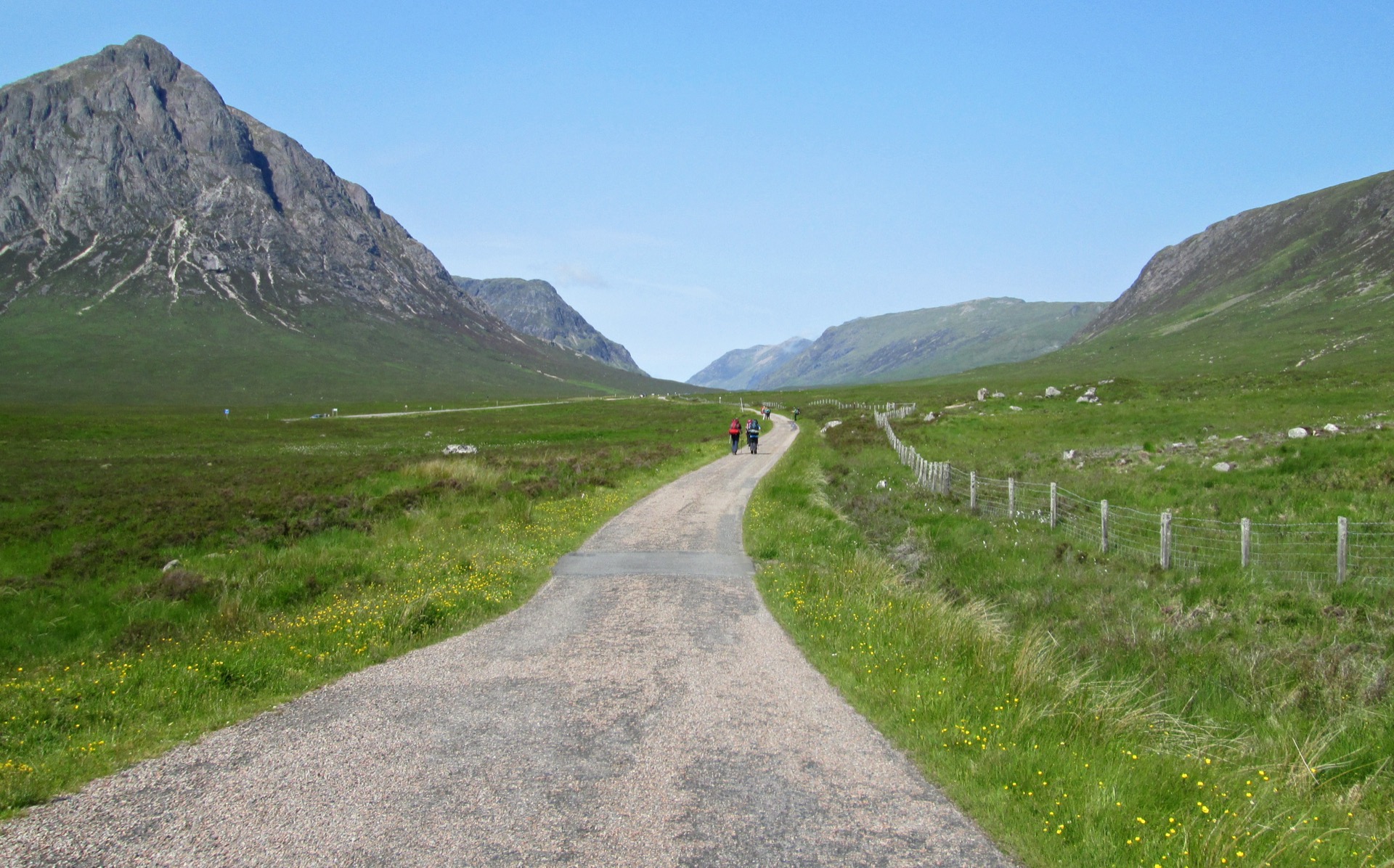
A Highland glen — once home to countless illicit stills

Our Philosophy Today

What the Name Means to Us

We bottle with the same spirit of knowing discretion.

Seeking What Others Overlook

The gauger knew which stills made the exceptional spirit. We visit warehouses and taste from barrels that no one else is watching. We select the casks that the blending houses have already passed — because they are too good to blend.

Transparency Over Performance

Our labels carry every piece of information that matters: distillery, vintage, cask type, date of bottling, bottle number from that cask. No mystique, no ambiguity — just the whisky, honestly presented.

No Chill-Filtration

We never chill-filter. Chill-filtration removes flavour compounds that make whisky interesting — the very things that make a barrel worth selecting in the first place. Natural colour, natural proof, natural character.

The Share, Passed On

The gauger's share was a bottle passed between knowing parties — a recognition that great whisky deserves to be in the hands of someone who appreciates it. We curate our packs with exactly that in mind.

"We named our company for this tradition: the idea that exceptional whisky has always found its way to those who truly appreciate it, regardless of what the law might say."