Current Partners — Three Distilleries
Orkney Islands
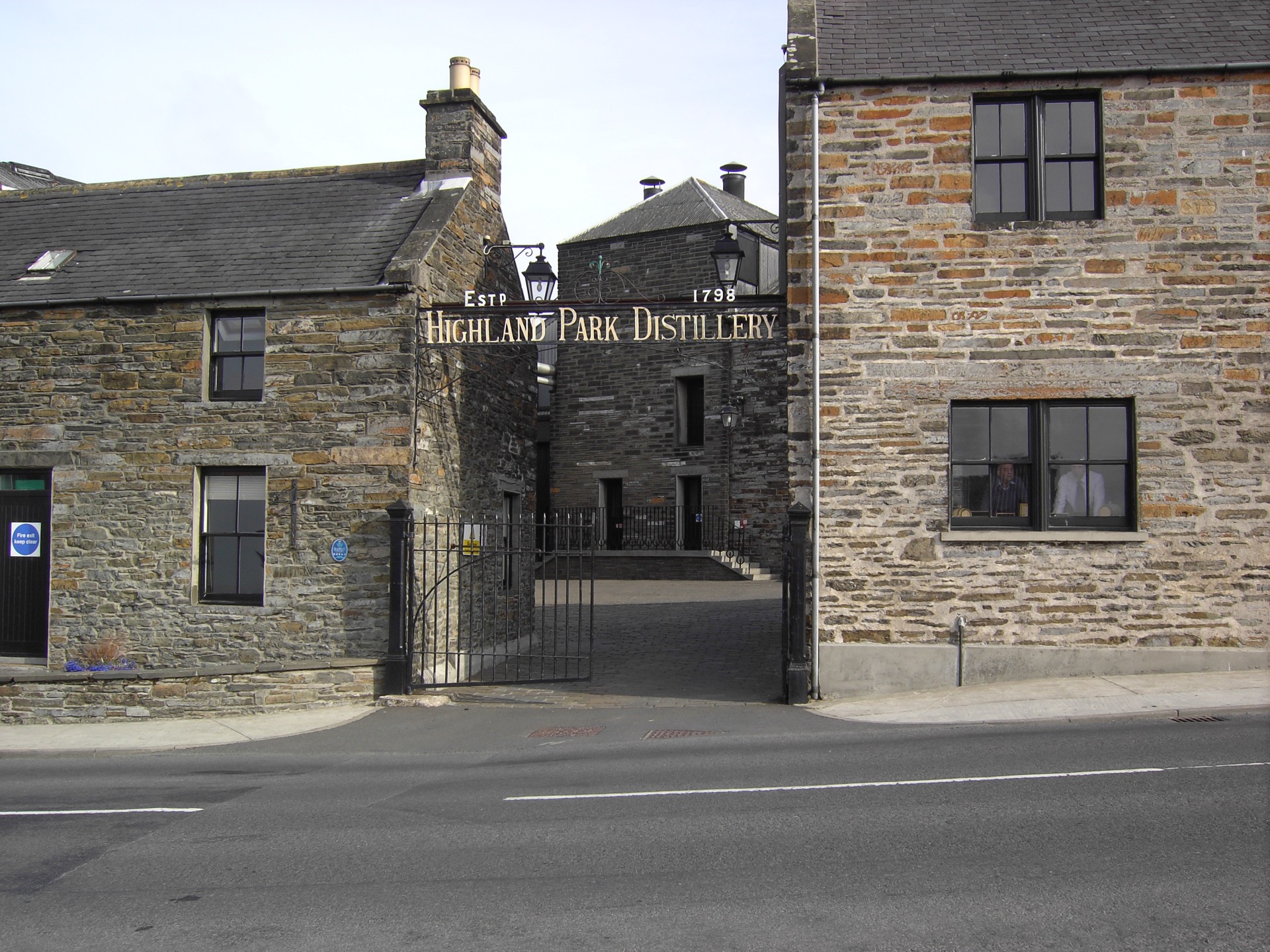
Highland Park
Kirkwall, Orkney · Founded 1798
Scotland's most northerly distillery. Established on the Orcadian mainland in 1798, Highland Park has operated almost without interruption for more than two centuries. The water comes from Cattie Maggie's spring; the barley is partially malted over local Orkney peat. The result is a whisky that could only ever come from this particular edge of the earth.
Character
Sea salt · Heather smoke · Warm honey · Maritime oak · A whisper of peat that lingers without dominating
 Campbeltown
Glen Scotia
Campbeltown, Argyll · Founded 1832
In its Victorian heyday, Campbeltown boasted more than thirty distilleries. Today, only three remain. Glen Scotia is one of them — and the smallest — carrying the memory of an entire era in every dram. Its coastal character is unmistakable: brine, light peat, and a depth that comes from watching the Kilbrannan Sound for nearly two centuries.
View Profile → Speyside
Glenburgie
Alves, Speyside · Founded 1810
One of the great open secrets of Speyside. For decades, Glenburgie's exceptional spirit went exclusively into premium blends, its single malt character kept from the public eye by blending houses who knew exactly what they had. We are among those who thought that was a shame. This is what it tastes like when you don't have to blend it.
View Profile →